Have you ever wondered why we need to sleep? Or have you experienced a lack of quality sleep and felt the negative impact on your daily life? As renowned neuroscientist Andrew Huberman puts it, “sleep is the cornerstone of brain function.” In this fast-paced world, where productivity and efficiency are highly valued, sleep is often seen as a luxury. However, science has proven time and time again that quality sleep is crucial for our physical, mental, and emotional well-being. Let’s explore the power of sleep and how it can change our lives for the better.
The Importance of Deep Sleep
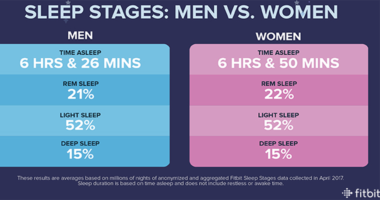
When we talk about sleep, we usually think of it as a period of rest where our bodies recharge for the next day. But did you know that sleep is actually divided into five different stages, with each stage playing a vital role in our health? The most crucial stage is NREM (non-REM) deep sleep, which we experience in the first few hours of our nightly slumber. This stage is essential because it helps our bodies repair and rejuvenate itself. During deep sleep, our brains release growth hormones that stimulate tissue growth and muscle repair, while our immune system works overtime to fight off infections and illnesses. Without enough deep sleep, our bodies will struggle to recover, leading to weakened immunity and increased risk of diseases.
The Impact of Sleep on Our Mental Health
Aside from its physical benefits, sleep also plays a significant role in our mental health. Adequate and quality sleep helps our brains process emotions and consolidate memories, which is crucial for our overall well-being. According to Huberman, sleep deprivation has been linked to conditions such as depression, anxiety, and even Alzheimer’s disease. Lack of sleep can disrupt the balance of hormones in our bodies, affecting our moods and increasing our risk of mental health issues. On the other hand, getting enough sleep can improve our mood, reduce stress, and boost our overall cognitive function.
Sleep and Productivity: The Surprising Connection
In a world where productivity is highly valued, it’s easy to fall into the trap of sacrificing our sleep for “more important” tasks. However, studies have shown that getting enough quality sleep can actually improve our productivity. When we don’t get enough rest, our brains struggle to focus and make decisions, leading to decreased productivity and increased errors. Moreover, sleep deprivation has been linked to workplace accidents and injuries. On the contrary, getting enough sleep helps us stay alert, focused, and creative, which ultimately leads to improved productivity and performance.
The Importance of Establishing a Healthy Sleep Routine
Now that we know how crucial sleep is for our well-being, how can we ensure we are getting enough quality rest? The key is to establish a healthy sleep routine. As humans, our bodies follow a natural circadian rhythm, which regulates our sleep-wake cycle. By going to bed and waking up at the same time every day, we can help our bodies maintain this natural rhythm, resulting in better sleep quality. Other tips for establishing a healthy sleep routine include avoiding caffeine and heavy meals close to bedtime, creating a calming environment in your bedroom, and practicing relaxation techniques before going to bed.
The Role of Technology in Our Sleep Habits
In recent years, technology has become an integral part of our daily lives, but it also has a significant impact on our sleep habits. The blue light emitted from our devices, such as smartphones and laptops, can suppress the production of melatonin, the hormone responsible for inducing sleep. This makes it harder for us to fall asleep and stay asleep. Additionally, the constant stimulation from social media and emails can disrupt our thoughts and keep our minds active, making it harder for us to relax and fall into a deep sleep. To improve our sleep habits, it’s essential to limit screen time before bedtime and create a device-free zone in our bedroom.
The Bottom Line: Prioritize Your Sleep
As Andrew Huberman says, “sleep is the foundation of a healthy brain and body.” In this fast-paced world, it’s easy to prioritize work and other activities over our sleep, but we must remember that quality sleep is crucial for our physical, mental, and emotional well-being. By prioritizing our sleep and establishing a healthy sleep routine, we can unlock the power of sleep and reap its many benefits. So the next time you find yourself sacrificing sleep for other things, remember that a good night’s rest is the key to a better life.